Why Logistics Planning Looks Different in 2026
Corporate logistics has evolved rapidly over the last few years. Businesses are now managing:
- Project-based contracts rather than permanent operations
- Variable workloads and seasonal demand
- Distributed teams across cities and regions
- Higher expectations around cost control and sustainability
Owning vehicles outright often creates friction in this environment—capital tied up in assets, maintenance overheads, and limited flexibility when projects scale up or down.
According to Deloitte’s global supply chain research, flexibility and asset-light models are now key drivers of competitive advantage
Source: https://www.deloitte.com/global/en/Industries/consumer/analysis/future-of-supply-chain.html
What Is Long-Term Van Rental?
Long-term van rental typically refers to vehicle hire arrangements of one month or longer, often extending to six, twelve, or even twenty-four months.
Unlike short-term hire, long-term solutions are designed for:
- Ongoing projects
- Contract work
- Temporary fleet expansion
- Business growth without long-term asset risk
These agreements combine the convenience of hire with the stability businesses need for planning and budgeting.
The Strategic Advantages of Long-Term Van Rental
1. Improved Cost Control & Cash Flow
One of the biggest advantages of long-term van rental is financial predictability.
Instead of:
- Large upfront purchase costs
- Depreciation risk
- Unexpected maintenance bills
Businesses benefit from:
- Fixed, predictable monthly costs
- No capital expenditure
- Easier budgeting at the project level
The Australian Bureau of Statistics notes that transport and capital equipment costs remain a significant pressure point for businesses
Source: https://www.abs.gov.au/statistics
2. Flexibility for Project-Based Work
Many corporate projects now operate on defined timelines:
- Construction and infrastructure projects
- Facilities management contracts
- IT rollouts and relocations
- Events, exhibitions, and temporary operations
Long-term van rental allows companies to:
- Match vehicle use to project duration
- Scale fleets up or down as workloads change
- Avoid being stuck with surplus vehicles post-project
This flexibility is particularly valuable in uncertain or fast-changing markets.
3. Reduced Fleet Management Burden
Managing owned vehicles requires:
- Servicing schedules
- Repairs and downtime coordination
- Replacement planning
- Compliance and documentation
With long-term rental, much of this complexity is reduced or removed entirely. Professional fleet partners handle:
- Vehicle maintenance
- Replacement if issues arise
- Supplier coordination
This frees internal teams to focus on core business activities rather than fleet administration.
Choosing the Right Vans for Corporate Logistics
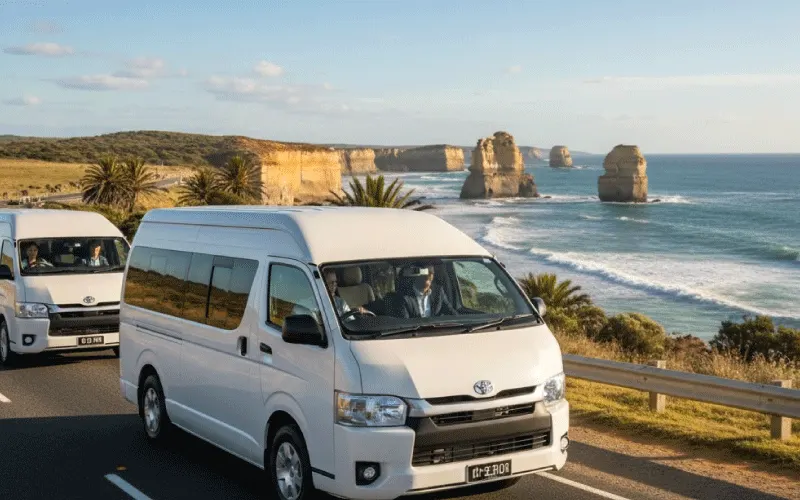
Long-term rental isn’t just about duration—it’s about matching the right vehicle to the job.
Common corporate van uses include:
- Delivery and distribution
- Trade and technical services
- Facilities and maintenance teams
- Event logistics and setup crews
Access to a broad supplier network ensures businesses can select:
- Small vans for urban work
- Medium vans for mixed loads
- Large vans for bulk or specialist equipment
Choosing the right van upfront improves efficiency and reduces operating costs over the life of the project.
Why Long-Term Rental Beats Buying for Many Businesses
Vehicle ownership can make sense for some operations—but for many corporate projects, it introduces unnecessary risk.
Vehicle Ownership | Long-Term Van Rental |
High upfront cost | No capital outlay |
Depreciation risk | No asset risk |
Fixed fleet size | Scalable up or down |
Maintenance responsibility | Managed by the provider |
Disposal required | Simply return the vehicle |
For project-driven organisations, rental aligns better with modern operational models.
Supporting Workforce Mobility in 2026
The modern workforce is more mobile than ever. Teams often:
- Move between sites
- Cover multiple regions
- Operate flexible schedules
Long-term van rental supports this by:
- Providing consistent, reliable vehicles
- Allowing reassignment between projects
- Reducing reliance on employee-owned vehicles
This not only improves efficiency but also enhances safety and professionalism.
Sustainability & Smarter Fleet Decisions
Sustainability is now embedded in many corporate logistics strategies. Long-term rental can support environmental goals by:
- Giving access to newer, more fuel-efficient vehicles
- Reducing the number of under-utilised owned vehicles
- Allowing fleet optimisation rather than over-ownership
The Australian Government continues to encourage more efficient vehicle use as part of its transport and emissions strategy
Source: https://www.infrastructure.gov.au/infrastructure-transport-vehicles/transport-strategy
For ESG-focused organisations, rental offers a practical step toward lower-impact operations.
Who Benefits Most from Long-Term Van Rental?
Corporate & Enterprise Projects
Large organisations benefit from:
- Centralised cost control
- Flexible fleet allocation
- Reduced procurement complexity
Long-term rental fits neatly into project and departmental budgets.
Trades, Engineering & Technical Services
For teams that need vans on-site daily:
- Reliability matters
- Downtime is costly
- Flexibility between contracts is essential
Rental ensures vehicles are available when needed—without long-term ownership risk.
Logistics, Events & Temporary Operations
Events, exhibitions, and pop-up operations often require:
- Short-to-medium fleet expansion
- Vans configured for specific tasks
- Rapid deployment and return
Long-term rental bridges the gap between short hire and ownership.
Planning Long-Term Van Rental for 2026 Projects
To get the most value from long-term rental, businesses should:
- Forecast project duration and vehicle requirements
- Choose van sizes and specifications carefully
- Compare suppliers for pricing and availability
- Lock in rates early for major projects
- Review flexibility for extensions or early returns
Professional guidance at the planning stage can prevent costly adjustments later.
The Role of Professional Service in Long-Term Hire
Price alone isn’t enough for corporate logistics. Professional service ensures:
- Accurate vehicle allocation
- Clear contracts and inclusions
- Responsive support if project needs change
- Minimal disruption to operations
In long-term hire, service quality directly impacts productivity.
Why More Australian Businesses Are Switching to Rental Models
Several market trends are driving the shift:
- Rising vehicle purchase and financing costs
- Faster project cycles
- Greater emphasis on agility
- Increased scrutiny of capital expenditure
Long-term van rental supports these realities while keeping logistics efficient.
Conclusion: Build Smarter Logistics for 2026
For businesses planning corporate projects in 2026, long-term van rental offers a practical, flexible, and cost-effective way to optimise logistics.
By choosing rental over ownership, organisations can:
- Improve cash flow and budget certainty
- Scale fleets to match real demand
- Reduce administrative and maintenance burden
- Support sustainability and workforce mobility
In an environment where efficiency and adaptability define success, long-term van rental is no longer a workaround—it’s a strategic advantage.