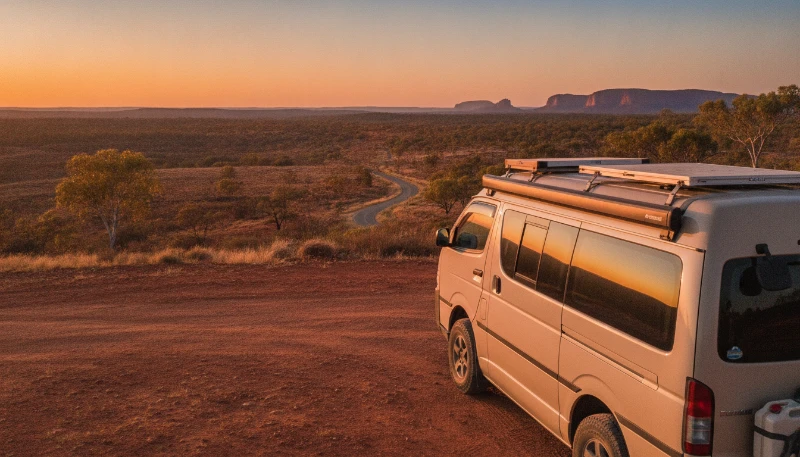
Exploring Australia Your Way: The Freedom of Self Drive Hire
Australia, a land of vast horizons, diverse landscapes, and unique wildlife, beckons travellers with an irresistible call to adventure. From the sun-drenched beaches of the Gold Coast to the rugged Outback and the vibrant cities, the sheer scale of this continent offers unparalleled opportunities for exploration. For many, the dream of experiencing Australia intimately, at their own pace, and according to their own itinerary, hinges on one crucial element: the freedom of a self drive adventure. This approach to travel allows you to ditch the rigid schedules of organised tours and the limitations of public transport, offering a personalised journey where every detour is an opportunity and every scenic stop is yours to savour. Whether you’re planning a family holiday, a group excursion, or a solo expedition, understanding the nuances of self drive hire in Australia is key to unlocking an unforgettable experience. This guide delves into the practicalities, benefits, and considerations of embarking on your Australian self drive journey, ensuring you make the most of your freedom on the road.
Why Choose a Self Drive Holiday in Australia?
The allure of a self drive holiday in Australia lies in its inherent flexibility and the deep connection it fosters with the land. Unlike flying between major cities or relying on limited train routes, a self drive trip allows you to traverse the country at your leisure. You can stop at charming roadside cafes, pull over for impromptu photo opportunities of stunning vistas, or spend an extra day exploring a hidden gem you discovered. This level of spontaneity is impossible with other modes of transport.
Unmatched Flexibility and Freedom
Imagine wanting to witness a spectacular sunset over Uluru, but finding it falls outside your pre-booked tour. With a self drive vehicle, you have the power to adjust your schedule. If you hear about a local festival happening in a small town off the beaten path, you can simply reroute. This freedom extends to your accommodation choices, your dining experiences, and the pace at which you explore. You are the master of your own adventure.
Cost-Effectiveness for Groups and Families
While the initial cost of hiring a vehicle might seem significant, for families or groups travelling together, a self drive option can often be more economical than purchasing multiple plane tickets or paying for separate tours. Sharing the cost of fuel and the hire vehicle can make exploring vast distances surprisingly affordable. Furthermore, you save on the ‘hidden’ costs associated with other travel methods, such as airport transfers, excess baggage fees, and the often-inflated prices of organised tour packages.
Access to Remote and Scenic Locations
Australia’s true beauty often lies beyond the well-trodden tourist trails. Many of the most breathtaking national parks, secluded beaches, and unique natural wonders are best accessed by road. A self drive vehicle, particularly one suited to the terrain, opens up these incredible destinations. You can explore the Great Ocean Road at your own pace, venture into the Flinders Ranges, or discover the wonders of Tasmania’s wilderness – all places where the journey itself is as rewarding as the destination.
Immersive Cultural Experiences
Travelling by road allows for spontaneous interactions with local communities. Stopping in small towns provides opportunities to engage with locals, sample regional produce, and gain a deeper understanding of Australian culture that you might miss when confined to airports or hotel lobbies. These authentic encounters are often the most memorable aspects of a trip.
Planning Your Self Drive Adventure: Essential Considerations
A successful self drive holiday requires careful planning, especially given Australia’s unique geography and driving conditions. From selecting the right vehicle to understanding road rules and distances, a little preparation goes a long way.
Choosing the Right Vehicle
The vehicle you choose will significantly impact your journey. Consider the following:
- Size and Capacity: How many passengers will you have? How much luggage will you need to carry? For smaller groups or couples, a standard sedan or SUV might suffice. For larger families or groups of friends, a minivan or even a larger people mover might be necessary. We offer a range of options, including our 16-seater executive minibuses, perfect for larger groups needing comfort and space.
- Terrain and Purpose: Will you be sticking to highways, or do you plan to explore unsealed roads? If venturing off-road, a 4WD vehicle is essential. For general touring, a reliable sedan or SUV is usually adequate.
- Fuel Efficiency: Australia is vast, and fuel costs can add up. Consider a vehicle known for its fuel efficiency, especially for long-distance travel.
- Comfort and Features: For long drives, comfort is paramount. Look for vehicles with good air conditioning, comfortable seating, and perhaps features like GPS navigation.
Understanding Australian Road Rules and Conditions
Driving in Australia has its own set of rules and conditions that differ from other countries. It’s crucial to be aware of these:
- Driving on the Left: Australia drives on the left-hand side of the road.
- Speed Limits: Speed limits are clearly signposted and vary between urban areas, rural roads, and highways. Always adhere to posted limits.
- Fatigue Management: Long distances are a reality in Australia. It is vital to take regular breaks to avoid driver fatigue. Plan your driving days realistically, aiming for no more than 8-10 hours of driving per day, with frequent stops.
- Wildlife Hazards: Be particularly vigilant when driving at dawn, dusk, and night, especially in rural and regional areas, as wildlife such as kangaroos and emus can be present on roads.
- Road Conditions: While major highways are generally well-maintained, some rural and outback roads can be unsealed, rough, or even impassable after rain. Always check local road conditions before travelling, especially in remote areas.
- Mobile Phone Use: Using a handheld mobile phone while driving is illegal.
Navigation and Connectivity
While GPS devices and smartphone navigation apps are invaluable, it’s wise to have a backup plan. Mobile phone reception can be patchy or non-existent in many remote areas of Australia. Consider downloading offline maps or carrying a physical road atlas for regions you’ll be travelling through. For groups, ensuring everyone has a way to navigate can prevent stress.
Booking Your Vehicle
Booking your vehicle in advance is highly recommended, especially during peak travel seasons (school holidays, Christmas, Easter) or for specific types of vehicles like 16-seater minibuses. Early booking often secures better rates and ensures availability. When you choose Low Cost self drive hire, you’re opting for a service that prioritises your needs and offers reliable vehicles for your Australian adventure.
Popular Self Drive Routes and Destinations in Australia
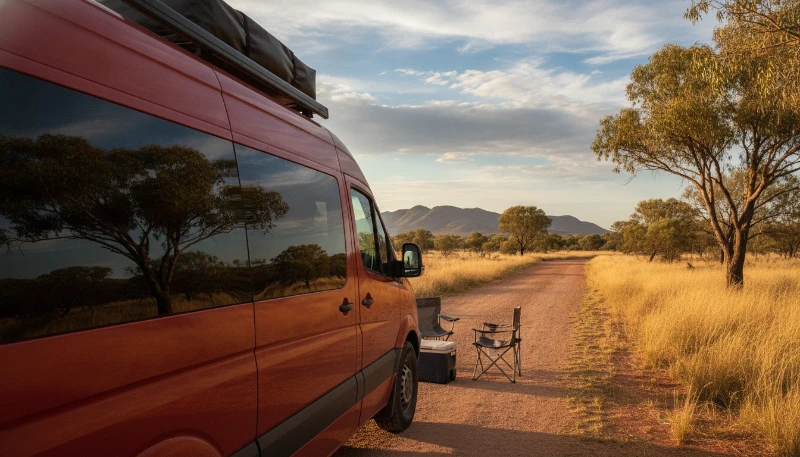
Australia offers a kaleidoscope of experiences for the self drive traveller. Here are just a few ideas to inspire your journey:
The Great Ocean Road, Victoria
This iconic coastal drive is a must-do for many visitors. Stretching over 240 kilometres, it winds past dramatic cliffs, stunning beaches, and the famous Twelve Apostles. Allow at least two to three days to fully appreciate the sights, stopping in charming towns like Lorne and Apollo Bay. Consider parking availability at popular lookouts, especially during peak times.
The Red Centre, Northern Territory
For a true Outback experience, a self drive trip to the Red Centre is unparalleled. The journey to Uluru (Ayers Rock) and Kata Tjuta (The Olgas) from Alice Springs (approximately 450 km) takes you through vast, arid landscapes. A 4WD is not strictly necessary for the main sealed road, but it offers more flexibility for exploring surrounding areas. Be prepared for extreme temperatures and carry ample water.
Tasmania’s Wilderness
The island state of Tasmania offers incredible diversity for self drive exploration. From the historic Port Arthur site to the rugged beauty of Cradle Mountain-Lake St Clair National Park and the pristine beaches of Freycinet National Park, a self drive holiday allows you to hop between these distinct regions. The roads are generally good, but can be narrow and winding in national parks.
The Queensland Coast
Driving along the Queensland coast offers access to the Great Barrier Reef, stunning beaches, and vibrant cities like Brisbane, Noosa, and Cairns. You can tailor your trip to include snorkelling, diving, rainforest exploration, and enjoying the laid-back lifestyle. Consider the distances involved; driving from Brisbane to Cairns is a significant undertaking, often best broken into several days.
Western Australia’s South West
This region is renowned for its world-class wineries, ancient forests (like the Valley of the Giants Tree Top Walk), and pristine coastline. Towns like Margaret River, Dunsborough, and Pemberton offer excellent bases for exploration. The driving is relatively easy, with good road infrastructure.
Making Group Travel Easy with Self Drive Hire
Coordinating travel for a large group can be a logistical challenge. Self drive hire offers a practical solution, allowing your group to travel together, maintaining cohesion and shared experiences. Our fleet includes options designed for group comfort and convenience.
Benefits for Group Excursions
When planning a group trip, whether it’s for a wedding, a corporate event, or a sports team, the ability to keep everyone together is invaluable. A large vehicle ensures that you don’t have to worry about coordinating multiple cars or relying on public transport that might not cater to your group’s size or schedule. This is where larger capacity vehicles become essential. For instance, our 16-seater executive minibuses are equipped for comfort on longer journeys, ensuring everyone arrives at their destination relaxed and ready. For even larger groups, our 53-seater coaches provide a comprehensive solution, ensuring that everyone travels together seamlessly. Importantly, both our 16-seater executive minibuses and 53-seater coaches are Euro 6 and ULEZ compliant, making them suitable for travel in environmentally sensitive areas and cities with emissions restrictions.
Event Travel Made Simple
Attending events like concerts, festivals, or sporting fixtures can be a hassle with public transport. Navigating crowds, dealing with potential delays, and the sheer inconvenience of moving a group can detract from the experience. A dedicated self drive hire vehicle eliminates these worries. You can arrange direct pick-up and drop-off, ensuring your group arrives on time and together. Consider the ease of attending a music festival like Groovin the Moo or a major sporting event at the MCG (Melbourne Cricket Ground) when your transport is sorted. For those looking for organised group transport solutions, The Coach Company Australia offers excellent bus charter services, ideal for ensuring your group’s journey is smooth and stress-free.
Senior Travel and Specialised Needs
For senior groups or those with specific mobility requirements, the comfort and accessibility of a dedicated vehicle are paramount. Services like those offered by Club 55 AU understand the importance of comfortable, tailored travel experiences for seniors, and a self drive hire vehicle can complement these needs by providing easy access and a familiar environment for group outings. This ensures that everyone can participate and enjoy the journey without undue stress.
Tips for a Safe and Enjoyable Self Drive Trip
Safety and enjoyment go hand-in-hand on any self drive holiday. Here are some tips to ensure your trip is both:
- Plan Your Itinerary Realistically: Don’t try to cram too much into each day. Factor in rest stops, potential delays, and time for spontaneous discoveries.
- Vehicle Maintenance Checks: Before you depart, ensure the hire vehicle has been thoroughly checked. Check tyre pressure, oil levels, and ensure all lights are working.
- Emergency Preparedness: Carry a basic first-aid kit, a spare tyre, and the necessary tools for changing a tyre. Know the emergency contact numbers for roadside assistance.
- Stay Hydrated and Nourished: Especially when travelling through remote areas, always carry more water than you think you’ll need and have some non-perishable snacks on hand.
- Respect Local Conditions: Be aware of weather changes, road closures, and any local advisories. The Australian Bureau of Meteorology (www.bom.gov.au) is an excellent resource for weather information.
- Driver Rotation: If multiple people are driving, rotate drivers regularly to prevent fatigue.
Frequently Asked Questions About Self Drive Hire
What is the minimum age for self drive hire in Australia?
The minimum age for hiring a vehicle in Australia typically ranges from 21 to 25 years, depending on the rental company and the type of vehicle. Drivers under 25 may also incur additional daily fees.
Do I need an International Driving Permit?
If your driver’s licence is not in English, you will need to carry an official translation or an International Driving Permit (IDP) along with your original licence. If your licence is in English, an IDP is usually not required.
What insurance is included with self drive hire?
Most rental agreements include basic third-party insurance. However, it’s highly recommended to consider additional collision damage waiver (CDW) or excess reduction options to minimise your financial liability in case of an accident.
Can I drive a hire car on unsealed roads?
This depends entirely on the rental agreement and the type of vehicle. Many standard car rentals prohibit driving on unsealed or unpaved roads. If you plan to travel on such roads, you must hire a vehicle specifically permitted for off-road use, such as a 4WD, and ensure your insurance covers it.
What is the best time of year for a self drive trip in Australia?
Australia’s climate varies significantly across the continent. Spring (September to November) and Autumn (March to May) generally offer pleasant weather for most regions. However, the
For wider public information, refer to Australian Government.