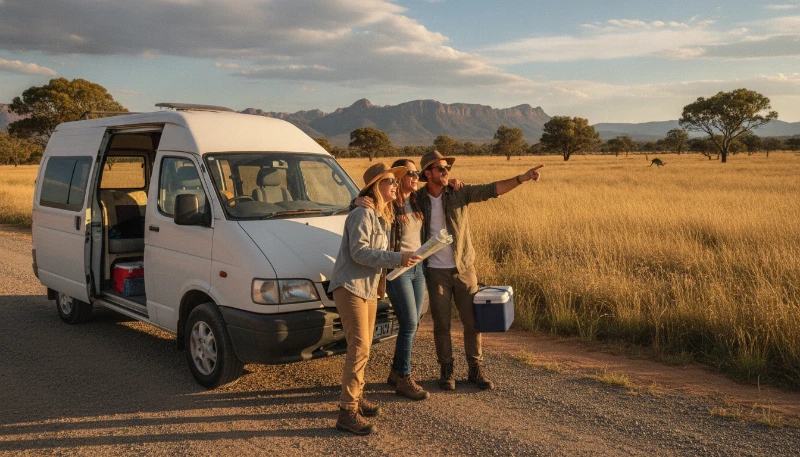
Planning Your Australian Self Drive Adventure: The Ultimate Checklist
Embarking on a self drive holiday across Australia is an incredible way to experience the vast and diverse landscapes this country offers. From the sun-drenched beaches of the coast to the rugged Outback and lush rainforests, a self drive trip provides unparalleled freedom and flexibility. However, to ensure your journey is as smooth and enjoyable as possible, careful planning is essential. This checklist is designed to guide you through every step, from initial booking to final packing, ensuring you make the most of your Australian self drive adventure.
1. Vehicle Selection: The Foundation of Your Journey
Choosing the right vehicle is paramount for a successful self drive holiday. Consider the terrain you’ll be traversing, the number of passengers, and the amount of luggage you’ll be carrying. For general touring on sealed roads, a standard sedan or SUV might suffice. However, if you plan to venture onto unsealed roads or tackle more challenging terrain, a 4WD vehicle is a necessity. Think about fuel efficiency, especially for long distances across Australia, where fuel stops can be infrequent.
Consider Your Itinerary
Are you sticking to major highways, or do you plan to explore national parks and remote areas? A trip along the Great Ocean Road in Victoria requires a different vehicle than a journey through the Kimberley in Western Australia. For extensive travel, consider the comfort and features of the vehicle, such as air conditioning, ample legroom, and a good sound system for those long stretches.
Passenger and Luggage Needs
If you’re travelling with family or a group, ensure the vehicle has enough seating capacity and, crucially, enough boot space. A family of four with camping gear will need significantly more room than a couple with overnight bags. Low Cost Self-Drive offers a wide range of vehicles, from compact cars perfect for couples to larger SUVs and vans suitable for families or groups. For larger groups, consider their 16-seater executive minibuses or 53-seater coaches, which are Euro 6 and ULEZ compliant, offering an efficient and comfortable option for group travel.
2. Booking Your Vehicle: Securing Your Ride
Once you’ve decided on the type of vehicle, it’s time to book. Booking in advance, especially during peak seasons like school holidays or major Australian events, is highly recommended. This not only secures your preferred vehicle but can also often lead to better rates. Compare prices and inclusions carefully. Look for unlimited or generous kilometre allowances, especially for long-distance travel.
Understanding Rental Agreements
Familiarise yourself with the rental agreement terms and conditions. Pay close attention to insurance options, excess amounts, fuel policies (e.g., full-to-full), and any restrictions on where you can drive the vehicle. Understand the process for picking up and returning the vehicle, including operating hours and required documentation.
Insurance and Additional Drivers
Evaluate the insurance coverage provided. Understand what is covered and what the excess amount is. You may have the option to reduce the excess by paying an additional daily fee. If multiple people will be driving, ensure all authorised drivers are listed on the rental agreement and meet the age and licence requirements. For those looking for specific bus hire solutions, exploring options like Epping Bus Hire can provide tailored services for group transport needs.
3. Route Planning and Navigation
Australia is a vast continent, and effective route planning is crucial. Utilise online mapping tools, travel guides, and local advice to map out your journey. Consider the driving times between destinations, factoring in rest stops, potential delays, and the need to acclimatise to different driving conditions.
Mapping Tools and Apps
Reliable GPS devices or smartphone navigation apps are essential. Download offline maps for areas where mobile reception might be unreliable. Consider apps that provide real-time traffic updates and alerts for road closures or hazards. For comprehensive travel planning and inspiration, resources like Amazing Days Out can offer valuable insights into destinations and routes across Australia.
Road Conditions and Hazards
Research the road conditions along your planned route. Some roads may be unsealed, require a 4WD, or have seasonal closures due to weather. Be aware of Australian driving conditions, such as wildlife on roads (especially at dawn and dusk), long distances between fuel stops, and varying speed limits. Always check the latest road condition reports from state transport authorities before setting off, particularly if travelling in remote areas.
4. Essential Packing: Beyond the Basics
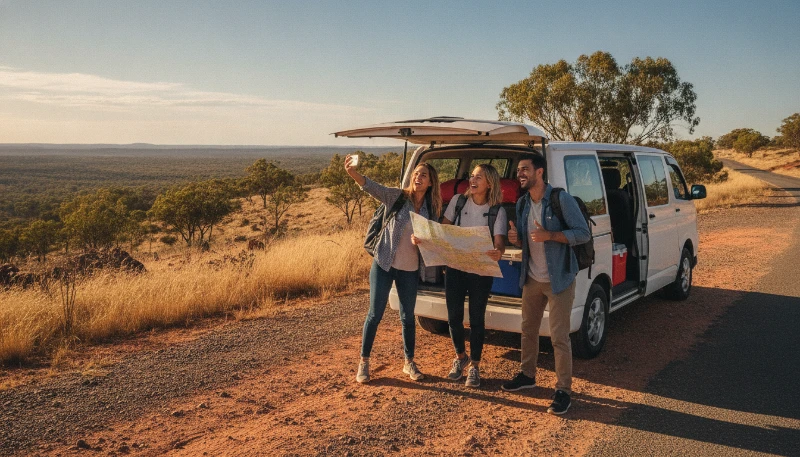
Packing for an Australian self drive holiday requires careful consideration of the diverse climates and activities you might encounter. Beyond clothing and toiletries, there are several specific items that will enhance your trip.
Clothing and Personal Items
Pack layers of clothing, as temperatures can vary significantly across Australia and even within a single day. Include sun protection: a wide-brimmed hat, sunglasses, and high-SPF sunscreen are non-negotiable. Comfortable walking shoes are a must for exploring. Don’t forget insect repellent, especially if you plan to visit tropical or bushland areas.
Vehicle Essentials
Consider packing a basic toolkit, jumper cables, a first-aid kit, and a torch. A portable phone charger or power bank is invaluable. If you’re travelling in remote areas, a physical map and compass can be a lifesaver. Ensure your vehicle’s spare tyre is in good condition and you know how to change it. For those needing specialised transport solutions in specific regions, exploring services like Sydney Low Cost Self-Drive can offer a range of vehicles to suit diverse travel needs.
Documents and Information
Carry your driver’s licence, the rental agreement, insurance details, and emergency contact information. It’s also wise to have copies of important documents stored separately or digitally. Keep a record of accommodation bookings and any pre-paid tours or activities.
5. Safety and Emergency Preparedness
Safety should be your top priority on any self drive trip. Being prepared for emergencies can make a significant difference.
Vehicle Maintenance Checks
Before you depart, perform a thorough check of your rental vehicle. Ensure the tyres are properly inflated and the tread is adequate. Check the oil and water levels. Test the lights, indicators, and windscreen wipers. Familiarise yourself with the vehicle’s controls and emergency features.
Emergency Contacts and Procedures
Know the emergency number in Australia (000). Have a list of important contact numbers, including your rental company, insurance provider, and roadside assistance. Inform someone of your travel plans and expected itinerary, and check in regularly. If you encounter any issues, don’t hesitate to contact the relevant authorities or your rental provider.
Wildlife Awareness
Australia has unique wildlife that can pose a hazard on the roads. Kangaroos, emus, and other animals are most active at dawn and dusk. Drive with caution during these times, reduce your speed, and be prepared to brake suddenly if necessary. Avoid swerving, as this can lead to more serious accidents.
6. On the Road: Enjoying Your Self Drive Experience
With your vehicle booked, packed, and safety precautions in place, it’s time to hit the road and enjoy your Australian self drive adventure. Remember to be flexible, embrace the unexpected, and soak in the incredible scenery.
Pacing Your Journey
Don’t try to cram too much into each day. Allow ample time for spontaneous stops, enjoying local attractions, and simply relaxing. Long driving days can be tiring and increase the risk of accidents. Plan your daily driving distances realistically.
Respecting Local Conditions
Be mindful of local driving laws and customs. Adhere to speed limits, obey road signs, and drive on the left-hand side of the road. If you’re unsure about any aspect of driving in a particular area, ask locals or consult your navigation tools.
Making the Most of Your Freedom
The beauty of a self drive holiday is the freedom it offers. Take detours, explore charming small towns, and discover hidden gems off the beaten path. This is your adventure, so tailor it to your interests and preferences. For instance, if you’re travelling through Tasmania, consider how local charter services might complement your self drive plans. The Launceston Coach Company, for example, offers specialised services that could be integrated into a broader itinerary.
7. Post-Trip: Returns and Feedback
Once your journey concludes, there are a few final steps to ensure a smooth wrap-up.
Vehicle Return
Return the vehicle on time and in the agreed-upon condition. Ensure it’s refuelled according to the rental agreement (usually full-to-full). Clean out any personal belongings and rubbish. Familiarise yourself with the return location and any specific procedures required by the rental company.
Feedback and Reviews
Consider providing feedback to the rental company. Your insights can help them improve their services. If you had a particularly positive experience, leaving a review can be beneficial for other travellers. For those in the Chatswood area seeking reliable transport, services like Chatsworth Bus Hire can offer local solutions.
Frequently Asked Questions About Self Drive Holidays in Australia
What is the best time of year for a self drive holiday in Australia?
Australia has diverse climates, so the best time depends on your destination. Spring (September to November) and Autumn (March to May) generally offer pleasant weather across most of the country. Summer (December to February) can be very hot, especially inland, while Winter (June to August) can be cold in the southern states and ideal for exploring the tropical north.
Do I need an International Driving Permit?
If your overseas driver’s licence is not in English, you will need to carry an International Driving Permit (IDP) along with your original licence. Most rental companies require you to have a valid licence for at least 12 months.
What are the road rules in Australia?
Australians drive on the left-hand side of the road. Speed limits vary by state and territory and are clearly signposted. Always pay attention to road signs, especially regarding school zones, rest areas, and wildlife warnings. Seatbelts are mandatory for all occupants.
Can I drive a rental car on unsealed roads?
This depends on the rental company’s policy and the type of vehicle you have hired. Most standard rental cars are not permitted on unsealed roads. If you plan to travel on unsealed roads, you will need to hire a 4WD vehicle and ensure your rental agreement permits this. Always check with the rental provider beforehand.
What should I do if I break down?
If you break down, stay calm. If you are in a dangerous position, try to move the vehicle to a safer spot if possible. Turn on your hazard lights. Contact your rental company’s roadside assistance service immediately. They will provide guidance and arrange for assistance.
Planning is key to a successful and memorable self drive holiday in Australia. By following this comprehensive checklist, you can ensure you are well-prepared for the open road, ready to explore the vast beauty and unique experiences this country has to offer. Remember to book your vehicle in advance, plan your route thoughtfully, pack wisely, and prioritise safety. For your next Australian adventure, consider the convenience and freedom that a reliable vehicle from Low Cost Self-Drive provides. Visit Low Cost Self-Drive to explore vehicle options and start planning your journey today.
For wider public information, refer to Australian Government.