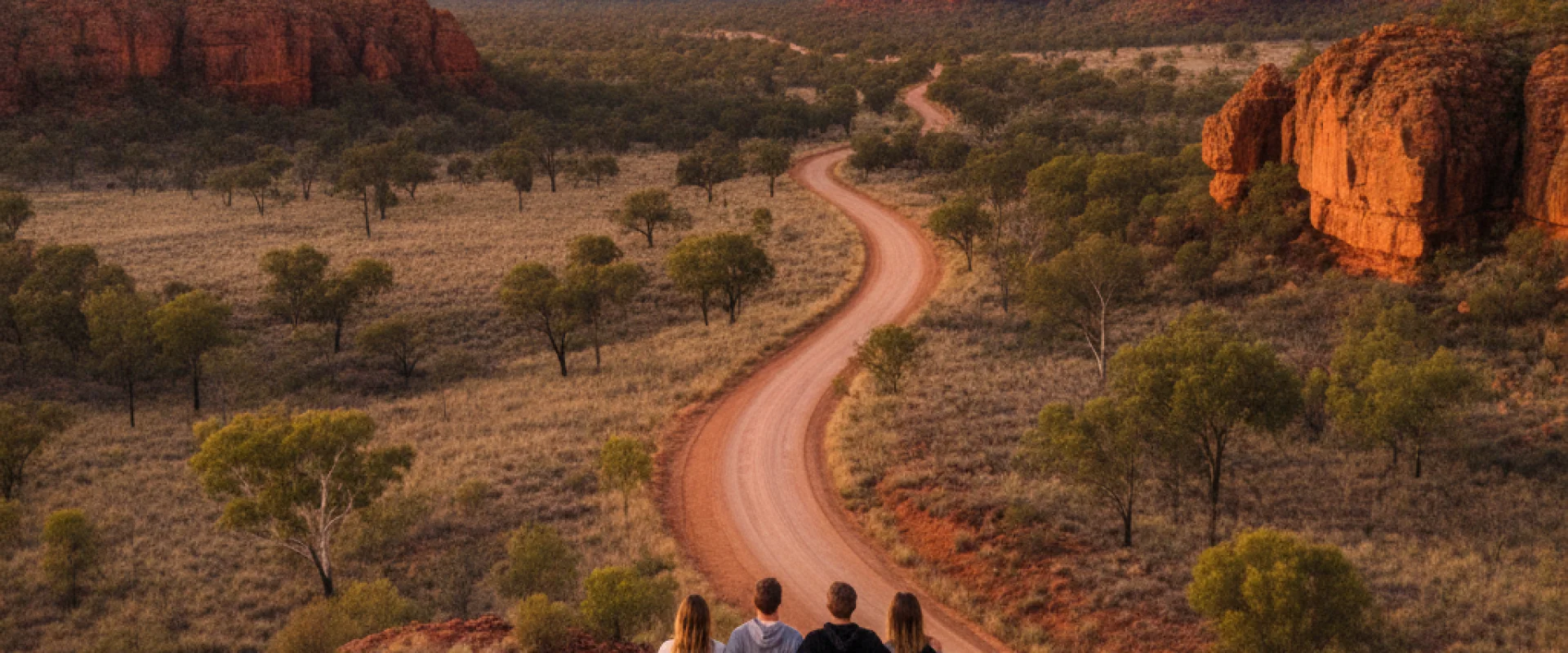
Australia is a continent of unparalleled beauty, offering everything from sun-drenched beaches to rugged outback and ancient rainforests. While popular hotspots draw the crowds, the true magic often lies off the beaten track. Embracing the freedom of a self-drive adventure allows you to uncover these hidden gems at your own pace, creating unforgettable memories without breaking the bank. For those looking for true value, exploring low-cost self-drive destinations Australia wide provides an authentic, immersive, and incredibly flexible way to see the country.
Imagine charting your own course, stopping for photos whenever inspiration strikes, or lingering a little longer in a town that captures your heart. This guide will take you through some of Australia’s most spectacular yet affordable regions, complete with practical tips for planning a budget-friendly self-drive journey that prioritises experience over expense.

The Freedom of the Open Road: Why Choose a Low-Cost Self-Drive Adventure?
Opting for a self-drive vehicle offers a unique blend of autonomy and economy that traditional organised tours simply cannot match. When you choose to explore low-cost self-drive destinations Australia provides, you gain complete control over your itinerary, pace, and budget, allowing for a genuinely personalised travel experience.
-
Unmatched Flexibility and Spontaneity
Unlike rigid tour schedules, a self-drive holiday lets you decide where to go, when to stop, and how long to stay. This flexibility is invaluable when you stumble upon a charming country market, a breathtaking lookout, or a secluded beach. You can adjust your plans on the fly, chase the best weather, or simply follow your curiosity.
-
Cost-Effectiveness Over Traditional Travel
While hiring a vehicle is an upfront cost, it often proves more economical for groups or families compared to purchasing multiple plane, train, or bus tickets, especially when travelling to more remote areas. Furthermore, by choosing to self-drive, you can save significantly on accommodation by opting for campsites, holiday parks, or more budget-friendly motels outside major tourist hubs. The ability to carry your own food and drinks also cuts down on dining expenses, a major win for any low-cost adventure.
-
Access to Remote Beauty
Many of Australia’s most stunning natural wonders are not easily accessible by public transport. A self-drive vehicle, whether it’s a sturdy ute, a spacious van, or a capable 4×4, opens up a world of national parks, secluded beaches, and outback trails that remain largely untouched by mass tourism. This access allows for deeper immersion in the landscape and culture, far beyond the well-trodden paths.
-
Group Travel Made Easy
For families or groups of friends, a self-drive bus or a large van eliminates the logistical nightmares often associated with group travel. Imagine trying to coordinate public transport schedules, manage multiple suitcases across different transfers, or deal with unexpected rail strikes or weekend engineering works, especially in unfamiliar cities. With your own self-drive vehicle, everyone travels together, luggage is secured, and departure times are entirely up to you, fostering a more relaxed and enjoyable shared experience.
Unearthing Australia’s Hidden Treasures: Premier Low-Cost Self-Drive Destinations
Australia is vast, and its true beauty often lies in its lesser-known corners. Here are some incredible low-cost self-drive destinations where your journey can be as rewarding as the destination itself, offering immense value and unique experiences.
The Bungle Bungles (Purnululu National Park), WA: Ancient Landscapes on a Budget
Nestled in Western Australia’s remote Kimberley region, Purnululu National Park, home to the iconic Bungle Bungles, offers a landscape of immense geological significance and breathtaking beauty. The beehive-shaped sandstone domes are a World Heritage-listed marvel.
- Logistical Detail: Access to Purnululu National Park requires a high-clearance 4WD vehicle. The turn-off from the Great Northern Highway is approximately 53km south of Warmun (Turkey Creek) or 100km north of Halls Creek. The drive from the highway to the park entrance is a challenging 53km unsealed track, taking approximately 2-3 hours depending on conditions. Allow another 1-2 hours to reach the main visitor areas from the park entrance. Fuel is not available within the park or for hundreds of kilometres, so fill up in Kununurra or Halls Creek. Carry ample water, food, and spare tyres. Camping is the primary budget accommodation option, requiring bookings well in advance during the dry season (April to October). Park entry fees apply.
- Vehicle Recommendation: A robust 4WD ute or a self-drive 4WD van is essential for navigating the park’s challenging terrain and carrying all necessary supplies for self-sufficiency in this remote region.
Kangaroo Island, SA: Wildlife Wonders Without the Crowds
Just off the coast of South Australia, Kangaroo Island is a haven for wildlife and rugged natural beauty, often overlooked by international tourists in favour of the mainland’s big cities. It offers stunning coastal scenery, unique rock formations, and abundant native animals.
- Logistical Detail: Access to Kangaroo Island is via a 45-minute Sealink ferry from Cape Jervis, approximately 1.5 hours’ drive south of Adelaide. Ferry bookings are essential, especially during peak seasons (school holidays, long weekends), and should be secured months in advance to ensure vehicle spots and preferred times. While many main roads are sealed, some popular attractions like the western end of Flinders Chase National Park or the unsealed path to Kelly Hill Caves require careful driving or a vehicle suited for gravel roads. Fuel is available in main towns (Kingscote, Penneshaw, Vivonne Bay), but plan your refills, as distances can be considerable. Ample parking is available at all major attractions. Consider bringing a spacious van for camping gear, picnic supplies, and general luggage for an extended stay.
- Vehicle Recommendation: A standard car is sufficient for sealed roads, but a van or ute offers more flexibility for carrying camping gear or exploring some of the island’s quieter gravel tracks.
The Atherton Tablelands, QLD: Rainforests, Waterfalls, and Local Produce
High above Cairns in Far North Queensland, the Atherton Tablelands offer a cooler climate and a lush landscape of ancient rainforests, spectacular waterfalls, and thriving agricultural communities. It’s a fantastic low-cost self-drive escape for nature lovers and foodies.
- Logistical Detail: The Tablelands are easily accessible from Cairns, approximately 1.5-2 hours’ drive via the Gillies Range Road or the Kuranda Range Road. All main routes are well-sealed and suitable for any vehicle. The famous ‘Waterfall Circuit’ near Millaa Millaa is a picturesque loop, taking a leisurely half-day to explore, with abundant parking at each waterfall stop. Fuel is widely available in towns like Atherton, Malanda, and Yungaburra. Consider dedicating 2-3 days to fully explore the region, taking advantage of farm-gate stalls for fresh produce and local cafes.
- Vehicle Recommendation: Any standard car or a comfortable self-drive van is perfect for navigating the Tablelands’ scenic routes and carrying delicious local produce you pick up along the way.
Tasmania’s East Coast: Coastal Beauty and Culinary Delights
Tasmania’s East Coast is a treasure trove of pristine beaches, dramatic national parks, and vibrant local produce, offering an incredibly scenic drive without the high costs often associated with island travel.
- Logistical Detail: The East Coast Touring Route (A3) runs from Orford in the south to St Helens in the north. From Hobart, it’s approximately 2.5 hours to Freycinet National Park (Wineglass Bay). From Launceston, it’s about 2 hours to St Helens. Roads are predominantly sealed and well-maintained. Fuel stops are available in major towns like Swansea, Bicheno, St Helens, and Coles Bay, but always plan ahead for longer stretches. National Parks passes are required for entry to Freycinet and Douglas-Apsley National Park. Accommodation, from budget-friendly campsites to holiday parks, should be booked well in advance, especially during summer and school holidays. The region is perfect for carrying outdoor gear like kayaks, hiking boots, and a cooler for local wines and cheeses.
- Vehicle Recommendation: A spacious self-drive van or ute is ideal for carrying camping equipment, bikes, and all the gourmet delights you’ll collect from farm gates and wineries.
The Great Ocean Road (Beyond Lorne & Apollo Bay), VIC: Uncovering Quieter Stretches
While the start of the Great Ocean Road is famous, venturing beyond the initial towns of Lorne and Apollo Bay reveals equally stunning, yet often quieter, stretches of coastline and hinterland. This allows for a more relaxed exploration of iconic formations like the Twelve Apostles and Loch Ard Gorge.
- Logistical Detail: From Melbourne, the drive to Port Campbell (near the Twelve Apostles) is approximately 3 hours. Roads are excellent and fully sealed along the entire route. Fuel is widely available in most towns. While parking at popular viewpoints can be busy, arrive early or later in the day, or explore some of the less-frequented lookouts further west towards Warrnambool for a more serene experience. Allow at least 2-3 days to truly appreciate the natural wonders, staying in smaller towns like Port Campbell or Princetown for more affordable accommodation options.
- Vehicle Recommendation: Any comfortable vehicle is suitable. For groups wanting to travel together, a self-drive van or a smaller self-drive bus can provide an excellent solution, ensuring everyone enjoys the stunning views without coordinating multiple cars.
Flinders Ranges, SA: Outback Grandeur on Your Own Terms
South Australia’s Flinders Ranges offer a truly authentic outback experience, with ancient landscapes, incredible wildlife, and stunning starry nights. It’s a destination that rewards independent exploration and an adventurous spirit.
- Logistical Detail: From Adelaide, the drive to the central Flinders Ranges (e.g., Wilpena Pound) is approximately 5 hours. The main highways (A1, B83) are sealed all the way to Hawker and Wilpena Pound Resort. Within Ikara-Flinders Ranges National Park, however, many roads are unsealed, and a 4WD vehicle is highly recommended, especially for iconic drives like Brachina Gorge and Bunyeroo Gorge. Fuel stations are sparse; top up in Port Augusta, Hawker, Rawnsley Park, Wilpena Pound, or Parachilna. Always carry extra water, food, and ensure your spare tyre is in good condition. Camping is a popular and budget-friendly option, with numerous well-maintained sites. National Park entry fees apply, and bookings for popular campsites are advisable.
- Vehicle Recommendation: A high-clearance 4WD ute or a dedicated self-drive 4WD van is strongly recommended for exploring the deeper parts of the park and ensuring a safe, comfortable journey across unsealed roads.
Planning Your Affordable Australian Self-Drive Trip
A successful low-cost self-drive adventure requires careful planning and a little insider knowledge. Here’s how to ensure your trip is both memorable and budget-friendly.
Choosing the Right Vehicle for Your Adventure
The type of vehicle you choose is paramount to the success and cost-effectiveness of your self-drive trip. Low Cost Self-Drive offers a diverse fleet to suit various needs and budgets, from economical vans perfect for couples or small families, to sturdy utes capable of handling rougher terrain and carrying extra gear, and even larger self-drive buses for groups.
- Vans: Excellent for couples or small families, offering good fuel efficiency and ample space for luggage. Ideal for sealed road trips and carrying camping equipment.
- Utes: Perfect for those venturing onto unsealed roads or needing extra cargo space for outdoor gear, recovery equipment, or larger items. Often come with 4WD capabilities.
- Self-Drive Buses: The ultimate solution for groups, allowing everyone to travel together comfortably, share costs, and enjoy the journey without the hassle of multiple vehicles.
Consider your passenger count, luggage requirements, and the type of roads you’ll be traversing when making your selection. Booking in advance, especially during peak season, is crucial for securing the best rates and vehicle availability.
Budgeting for Your Self-Drive Journey
A detailed budget will prevent unexpected expenses. Key areas to consider include:
- Vehicle Rental: Compare prices from reputable companies. Factor in insurance, any additional driver fees, and specific extras like GPS or child seats.
- Fuel: This will likely be your largest variable cost. Research fuel prices along your route, as they can vary significantly between regions and remote areas. Use apps or websites to find the cheapest fuel.
- Accommodation: Prioritise campsites, caravan parks, or budget motels over luxury hotels. Consider investing in camping gear for ultimate flexibility and savings.
- Food & Drink: Self-catering is the most effective way to save money. Pack a cooler, utilise supermarket stops, and enjoy picnics with local produce.
- National Park Fees & Activities: Research any entry fees for parks or attractions you plan to visit. Many parks offer multi-day or annual passes which can be more economical.
Navigating Australian Roads and Regulations
Australia has specific road rules that differ from many other countries. Familiarise yourself with them before you set off:
- Drive on the left: Always remember to drive on the left-hand side of the road.
- Speed Limits: These are strictly enforced. Common limits are 50km/h in urban areas, 100km/h or 110km/h on highways, and lower in school zones or specific regional areas.
- Fatigue: Long distances are common. Plan regular breaks (every 2 hours) to avoid driver fatigue.
- Wildlife: Be particularly vigilant at dawn and dusk for kangaroos, emus, and other animals, especially outside urban areas.
- Road Conditions: Always check local road conditions, particularly for unsealed roads, after heavy rain, or in remote areas. Online resources from state road authorities are invaluable.
A good starting point for understanding the general rules and variations across states is the Wikipedia page on Road rules in Australia, but always consult specific state government transport websites for the most current and detailed information pertinent to your route.
Packing Smart for a Self-Drive Expedition
Efficient packing can enhance comfort and save money. Consider:
- Navigation: A reliable GPS or up-to-date maps (offline maps on your phone are excellent for areas with no signal).
- Emergency Kit: First-aid kit, jumper cables, basic tools, torch, spare battery pack for devices, and enough water and non-perishable food for at least 24 hours in remote regions.
- Comfort: Sunscreen, insect repellent, hats, sturdy walking shoes, layers of clothing for varied weather, and a good quality cooler or esky.
- Self-Sufficiency: If camping, bring all necessary equipment. For longer trips, consider a spare fuel jerry can (check local regulations for carrying fuel).
Making the Most of Your Self-Drive Experience
Beyond the practicalities, embracing the spirit of adventure is key to a truly memorable low-cost self-drive journey.
Embracing Flexibility and Spontaneity
The beauty of a self-drive trip is the freedom to change your plans. If you discover a local festival, a stunning viewpoint not in your original itinerary, or simply a charming town you want to explore further, you have the liberty to do so. This spontaneity often leads to the most unexpected and cherished memories.
Local Eateries and Accommodation Finds
While self-catering saves money, don’t shy away from experiencing local hospitality. Seek out small-town bakeries, country pubs, and local markets for affordable and authentic culinary delights. Similarly, small family-run motels or farm stays can offer character and value often missing from chain hotels, providing a unique glimpse into regional Australia.
Group Travel: The Smart Choice for Events and Expeditions
When planning a trip for a larger group – perhaps to a regional music festival, a sports event, or a multi-day hiking expedition – a self-drive bus offers unparalleled advantages. Trying to coordinate multiple cars, navigating unfamiliar routes in convoy, or dealing with the unpredictability of public transport for a large party can quickly become stressful. Imagine the frustration of a group split up due to a rail strike or the challenge of moving everyone’s luggage through a crowded city on a weekend with engineering works. With a self-drive bus, everyone travels together, sharing costs, laughter, and the adventure. For groups looking into Private Bus Hire in Sydney, or needing reliable Bus Hire Brisbane services, the convenience and comfort of a single vehicle solution are invaluable. It simplifies logistics, reduces stress, and ensures your group arrives together, refreshed and ready for your destination.
Conclusion
Australia is a vast and diverse land, offering endless opportunities for adventure beyond its most famous landmarks. By choosing to explore low-cost self-drive destinations Australia has to offer, you unlock a level of freedom, flexibility, and authenticity that enriches every journey. From the ancient domes of the Bungle Bungles to the wild beauty of Kangaroo Island and the lush Tablelands of Queensland, these hidden gems provide extraordinary experiences that are well within reach for the budget-conscious traveller.
Equipped with the right vehicle, a smart budget, and a spirit of adventure, you’re ready to discover the real Australia, one kilometre at a time. Don’t just dream of the open road – make it a reality. Call 1 300 034 801 or speak to our booking team via the contact menu at https://uat.lowcostselfdrive.com.au to secure your dates and start planning your unforgettable low-cost self-drive adventure today.
Frequently Asked Questions
What kind of vehicle is best for a low-cost self-drive trip in Australia?
The best vehicle depends on your itinerary and group size. For sealed roads and smaller groups, an economical van is great. For unsealed roads or remote areas like the Bungle Bungles or Flinders Ranges, a high-clearance 4WD ute or a dedicated 4WD self-drive van is essential. For larger groups, a self-drive bus is the most cost-effective and convenient option.
How can I keep my self-drive trip budget-friendly?
To save money, prioritise self-catering, choose budget accommodation like campsites or holiday parks, and research fuel prices along your route. Booking your vehicle in advance can secure better rates, and always factor in national park fees and any necessary permits.
What essential items should I pack for an Australian self-drive adventure?
Essential items include a reliable GPS (with offline map capabilities), a comprehensive first-aid kit, ample water and non-perishable food (especially for remote areas), sunscreen, insect repellent, sturdy shoes, and clothing layers. Always carry spare tyres and basic tools for trips into the outback.
Are there any specific driving rules to be aware of in Australia?
Yes, always drive on the left-hand side of the road. Speed limits are strictly enforced, and you must be aware of wildlife, especially at dawn and dusk. Plan regular breaks to avoid fatigue, and always check local road conditions, particularly for unsealed roads or after adverse weather.
How do I book a self-drive vehicle for my trip?
You can easily book a self-drive vehicle by visiting the Low Cost Self-Drive website at https://uat.lowcostselfdrive.com.au, calling 1 300 034 801, or reaching out to their booking team via the contact menu. It's advisable to book well in advance, especially for peak seasons, to ensure vehicle availability and secure the best rates.
Why is a self-drive vehicle better than public transport for group travel to events or remote areas?
A self-drive vehicle for groups, such as a self-drive bus or large van, offers unparalleled convenience and cost-effectiveness. It avoids the complexities of coordinating multiple cars, navigating public transport schedules, or dealing with issues like rail strikes or crowded stations, ensuring everyone travels together comfortably with their luggage directly to your destination.