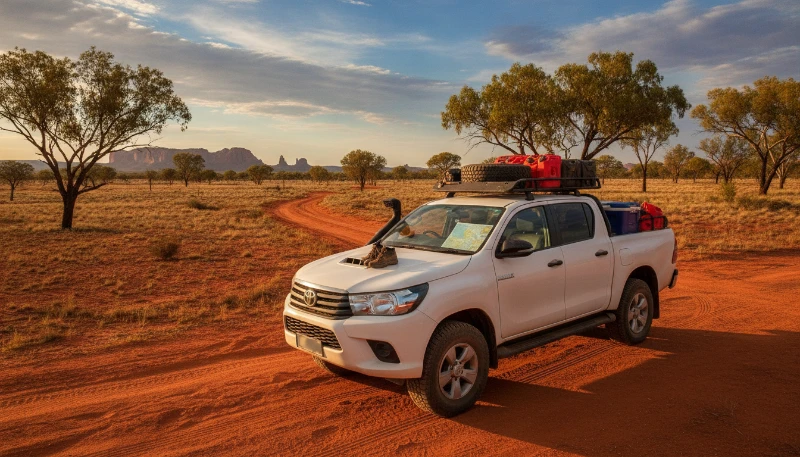
Embarking on a journey across Australia offers unparalleled freedom and the chance to explore its vast, diverse landscapes at your own pace. The concept of self drive holidays has become increasingly popular, allowing travellers to craft bespoke itineraries, discover hidden gems, and immerse themselves in the local culture without the constraints of public transport schedules or tour group limitations. Whether you’re planning a weekend escape from Sydney or a cross-country expedition, understanding the nuances of self-drive travel in Australia is key to a successful and memorable adventure. This guide delves into everything you need to know to plan your next self-drive experience, from choosing the right vehicle to navigating the open road and making the most of your freedom.
The Allure of the Australian Self Drive Holiday
Australia, a continent of breathtaking contrasts, beckons explorers with its sun-drenched beaches, ancient rainforests, rugged outback, and vibrant cities. A self-drive holiday is arguably the most rewarding way to experience this incredible diversity. It grants you the autonomy to:
- Explore at Your Own Pace: Stop whenever a stunning vista catches your eye, linger longer at a charming roadside café, or take an impromptu detour to a local market.
- Access Remote Destinations: Many of Australia’s most spectacular natural wonders and unique cultural experiences are off the beaten path, accessible only by road.
- Travel with Flexibility: Change your plans on the fly. If you hear about a local festival or a particularly beautiful sunset spot, you can simply adjust your route.
- Travel in Comfort and Style: With a wide range of vehicles available, you can select the perfect mode of transport for your group size, luggage needs, and desired comfort level.
- Experience Authentic Local Culture: Self-driving allows for spontaneous interactions with locals and discovery of authentic experiences far from the typical tourist trails.
The freedom that comes with a self drive adventure is truly liberating. It transforms a holiday from a pre-packaged experience into a personal exploration, filled with unexpected discoveries and cherished memories. For those seeking to truly connect with the Australian landscape and its people, a self-drive holiday is the ultimate choice.
Planning Your Self Drive Itinerary: Key Considerations
A successful self-drive trip begins with meticulous planning. While flexibility is a hallmark of this travel style, having a solid framework will prevent logistical headaches and ensure you maximise your time.
Choosing Your Route and Destinations
Australia is enormous, and attempting to see it all in one trip is unrealistic. Consider what you want to experience:
- Coastal Drives: The Great Ocean Road in Victoria, the Pacific Coast Highway from Sydney to Brisbane, or the Coral Coast in Western Australia offer stunning ocean views and charming seaside towns.
- Outback Adventures: The Red Centre, including Uluru and the Olgas, or the vast expanses of the Kimberley region, offer a glimpse into Australia’s rugged heart. These routes often require specific vehicle types and careful planning due to remote locations and limited services.
- Wine Regions: Explore the Barossa Valley in South Australia, the Hunter Valley in New South Wales, or Margaret River in Western Australia, combining scenic drives with gourmet experiences.
- National Parks and Nature Reserves: From the Daintree Rainforest in Queensland to the Blue Mountains in New South Wales, Australia boasts an incredible array of natural beauty accessible by road.
When planning your route, consider the distances involved. Driving times can be significantly longer than they appear on a map due to road conditions, speed limits, and the need for regular breaks. Utilise online mapping tools, but always factor in extra time.
Vehicle Selection: The Foundation of Your Self Drive Journey
The vehicle you choose is paramount to the success of your self drive holiday. Low Cost Self-Drive understands that different journeys require different vehicles. Consider the following:
- Passenger Capacity: Are you travelling solo, as a couple, with family, or with a large group? We offer everything from compact cars to spacious 16-seater executive minibuses and large 53-seater coaches, perfect for group excursions.
- Luggage Space: Ensure the vehicle has ample room for all your luggage, especially if you’re embarking on a longer trip or carrying sporting equipment.
- Terrain and Conditions: For off-road adventures or unsealed roads, a 4WD vehicle might be necessary. For standard highway driving, a reliable sedan, SUV, or van will suffice.
- Comfort and Features: Long drives are more enjoyable with comfortable seating, air conditioning, and reliable navigation systems.
- Fuel Efficiency: Especially for longer distances, fuel economy can significantly impact your budget.
- Compliance: For travel into sensitive urban areas, it’s worth noting that our 16-seater executive minibuses and 53-seater coaches are Euro 6 and ULEZ compliant, ensuring you can access all areas without issue.
At Low Cost Self-Drive, we pride ourselves on offering a diverse fleet to meet every need. Whether you require a nimble ute for exploring local markets or a large coach for a group tour, we have you covered. For those planning a group trip, exploring options with companies like The Coach Company Australia can provide specialised solutions for larger parties, ensuring comfort and convenience for everyone involved.
Budgeting for Your Self Drive Trip
Beyond the vehicle hire cost, factor in:
- Fuel: Petrol prices can fluctuate. Estimate your daily mileage and current fuel costs.
- Accommodation: Book in advance, especially during peak seasons or in popular tourist areas.
- Food: A mix of self-catering and dining out can help manage costs.
- Activities and Entrance Fees: National park passes, attraction tickets, and tours can add up.
- Contingency Fund: Always have a buffer for unexpected expenses.
Navigating Australia’s Roads: Tips for Self Drive Travellers
Driving in Australia is generally straightforward, but there are some specific considerations for visitors and even locals exploring new regions.
Road Rules and Regulations
Australia drives on the left-hand side of the road. Key rules to remember include:
- Speed Limits: Vary by state and territory and by road type (urban, rural, highway). Always adhere to posted signs.
- Seatbelts: Mandatory for all occupants.
- Mobile Phone Use: Strict laws prohibit handheld mobile phone use while driving.
- Alcohol Limits: Australia has a strict blood alcohol content (BAC) limit of 0.05. Never drink and drive.
- Fatigue: Long distances can lead to driver fatigue. Take regular breaks, ideally every two hours. Pull over if you feel drowsy.
- Wildlife: Be particularly vigilant at dawn and dusk, especially in rural and regional areas, as wildlife (kangaroos, emus, etc.) can be present on roads.
For comprehensive information on road rules in each state and territory, the Australian government’s road safety websites are an excellent resource. For instance, the National Transport Commission provides valuable insights into road transport legislation across the country.
Tolls and Road Charges
Many major cities, particularly Sydney and Melbourne, have extensive toll road networks. Ensure your rental vehicle is equipped with a toll pass or understand how to pay tolls online promptly to avoid fines. Check with your rental provider about their specific toll payment policies.
Remote Area Driving
If your self drive adventure takes you into remote areas:
- Fuel: Fill up whenever you have the opportunity, as service stations can be hundreds of kilometres apart.
- Water and Supplies: Carry ample water, food, and basic emergency supplies.
- Communication: Mobile phone reception can be non-existent. Consider a satellite phone or personal locator beacon (PLB) for remote outback travel.
- Vehicle Preparedness: Ensure your vehicle is in excellent condition and equipped for the conditions.
For those venturing into regions like Western Australia, understanding the unique challenges of outback driving is crucial. Websites like the WA Government’s Road Safety Commission offer specific advice for travellers in remote areas.
Making the Most of Your Self Drive Experience
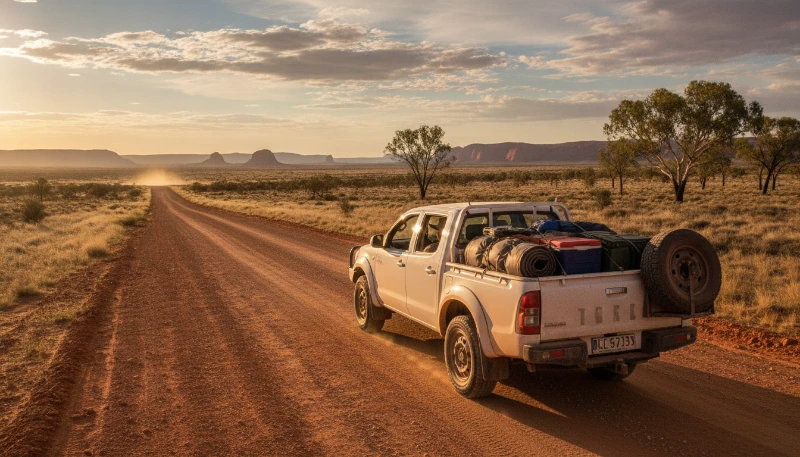
A self drive holiday is about more than just getting from A to B; it’s about the journey itself.
Embrace Spontaneity
While planning is important, leave room for the unexpected. A sign for a local winery, a quirky roadside attraction, or a recommendation from a local can lead to your most memorable experiences. This is the true essence of a self drive adventure.
Connect with Local Communities
Stop in small towns, visit local pubs, and chat with residents. You’ll gain a deeper understanding of Australian life and discover places and stories you won’t find in guidebooks.
Utilise Technology Wisely
Navigation apps are invaluable, but don’t rely on them solely. Download offline maps for areas with poor reception. Use apps to find local eateries, points of interest, and accommodation. However, always prioritise safe driving practices over fiddling with devices.
Consider Group Travel with Self Drive Coaches
For larger groups, such as school excursions, sports teams, or corporate events, hiring a self drive coach offers incredible value and flexibility. It allows the group to travel together, share the experience, and maintain control over their schedule. Companies specialising in coach hire can provide vehicles that are not only spacious and comfortable but also meet stringent safety and environmental standards, such as Euro 6 and ULEZ compliance for our larger fleets.
The Benefits of Ute and Van Hire
Beyond passenger transport, self drive hire is essential for practical needs. Whether you’re moving house, transporting goods for a business, or undertaking a DIY project, hiring a ute or van provides the perfect solution. Low Cost Self-Drive offers a comprehensive range of these vehicles, ensuring you have the right tool for the job, from small errands in suburban Melbourne to larger moves across the Gold Coast.
Popular Self Drive Routes and Destinations in Australia
The Great Ocean Road, Victoria
This iconic 243-kilometre stretch of road is a must-do for any self drive enthusiast. Famous for the Twelve Apostles, dramatic cliffs, and charming seaside towns like Lorne and Apollo Bay, it’s best enjoyed over two to three days.
- Logistics: Start from Torquay, just outside Melbourne. Allow ample time for photo stops and short walks. Be aware of winding roads and potential for heavy tourist traffic, especially during peak season.
- Vehicle Choice: A standard car or SUV is perfectly adequate.
The Red Centre, Northern Territory
For a truly iconic Australian outback experience, the Red Centre is unparalleled. The drive from Alice Springs to Uluru-Kata Tjuta National Park is approximately 450 kilometres.
- Logistics: This is a remote area. Ensure your vehicle is in top condition, carry extra water and fuel, and check road conditions before departing. The sealed road to Uluru is generally good, but some tracks within the park may require a 4WD.
- Vehicle Choice: A reliable sedan or SUV is suitable for the main route. A 4WD is recommended if exploring further afield or unsealed tracks.
Sydney to Brisbane Coastal Drive, New South Wales
This classic East Coast journey covers over 1,000 kilometres and can be tailored to your interests, from surfing beaches to national parks and vibrant cities like Byron Bay.
- Logistics: Allow at least 5-7 days to truly enjoy the stops. Consider traffic, especially around Sydney and Brisbane. Many coastal towns offer excellent caravan parks and motels for overnight stays.
- Vehicle Choice: A comfortable sedan or SUV is ideal for this route.
The Hunter Valley, New South Wales
Just a few hours north of Sydney, the Hunter Valley is Australia’s oldest wine region, offering picturesque vineyards, gourmet food, and hot air ballooning.
- Logistics: The region is well-serviced with good roads. Plan your winery visits in advance, as some require bookings. Consider a designated driver or local transport for wine tasting days.
- Vehicle Choice: Any standard vehicle is suitable.
Exploring Sydney’s Surroundings
For those based in or visiting Sydney, the surrounding areas offer fantastic self drive opportunities. The Blue Mountains, a UNESCO World Heritage site, is a popular day trip or overnight stay, offering stunning lookouts, hiking trails, and charming villages like Katoomba and Leura. Driving yourself allows you to explore multiple lookouts and trailheads at your leisure. For those needing to transport equipment or a larger group for an excursion, hiring a van or minibus from a provider like Sydney Low Cost Self-Drive is an excellent option, ensuring you have the space and comfort needed for the journey.
Frequently Asked Questions about Self Drive Holidays
What is the best time of year for a self drive holiday in Australia?
Australia’s climate varies significantly by region. The north is tropical, with a wet season and dry season, while the south experiences four distinct seasons. Generally, spring (September-November) and autumn (March-May) offer pleasant weather across much of the country, making them ideal for self drive adventures.
Do I need an International Driving Permit?
If your overseas driver’s licence is not in English, you will need to carry an International Driving Permit (IDP) along with your original licence. Check the specific requirements for the state or territory you are visiting.
What happens if my rental vehicle breaks down?
Reputable rental companies like Low Cost Self-Drive provide 24/7 roadside assistance. Ensure you understand the procedure for reporting a breakdown and getting assistance when you pick up your vehicle.
Can I take my rental vehicle on unsealed roads?
This depends on the rental agreement and the type of vehicle. Many standard cars are not permitted on unsealed or off-road tracks. Always check your rental contract and clarify with the provider if you plan to venture off the main highways. Specific 4WD vehicles may be hired for such purposes.
What is the fuel consumption like for larger vehicles like minibuses or coaches?
Larger vehicles naturally consume more fuel than smaller cars. However, our 16-seater executive minibuses and 53-seater coaches are equipped with modern, fuel-efficient engines, including Euro 6 compliant models, to minimise running costs and environmental impact. When planning a group trip, factor in a higher fuel budget compared to a standard car.
Conclusion: Embrace the Freedom of the Open Road
A self drive holiday in Australia offers an unparalleled sense of freedom, flexibility, and discovery. From the iconic coastal routes to the rugged outback, the possibilities for exploration are endless. By carefully planning your itinerary, selecting the right vehicle, and understanding the local road conditions, you can ensure a safe, enjoyable, and unforgettable journey. Whether you’re seeking adventure, relaxation, or cultural immersion, the open road awaits. Low Cost Self-Drive is here to provide the reliable vehicle you need to make your Australian self drive dream a reality. Explore our range of vehicles today and start planning your next great escape!
For wider public information, refer to Australian Government.