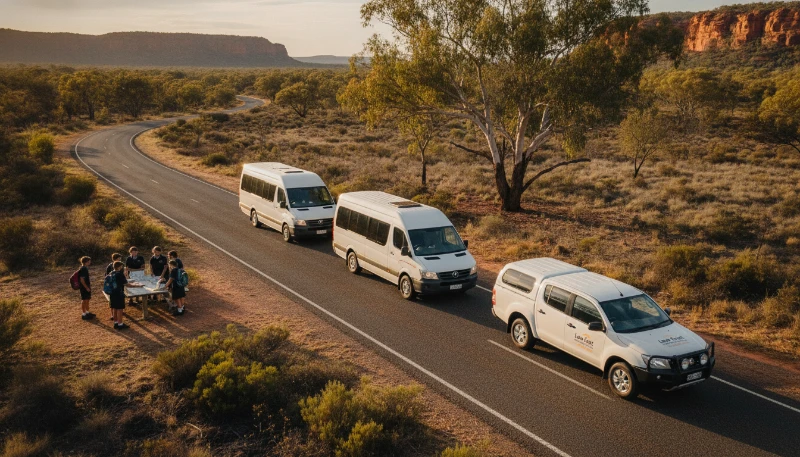
Planning a school excursion is an exciting prospect, offering students invaluable learning experiences beyond the classroom. However, for many schools and parent associations across Australia, the logistical and financial challenges of organising transport can be daunting. Traditional methods like hiring coaches or relying on multiple parent vehicles often come with significant costs and complexities. This is where the often-overlooked advantage of self drive hire vehicles comes into play. By embracing a self-drive approach, educational institutions can unlock substantial savings, gain greater flexibility, and empower their staff with more control over excursion logistics. This guide delves into how schools can strategically leverage self-drive hire options to create memorable, educational, and budget-friendly excursions throughout Australia.
Understanding the Cost-Effectiveness of Self-Drive for School Trips
When comparing transport options for school excursions, the initial outlay for a self-drive hire vehicle might seem similar to other choices. However, a closer examination reveals significant long-term savings and added benefits that make it a superior choice for budget-conscious schools. The primary driver of this cost-effectiveness lies in the elimination of professional driver fees, which can constitute a substantial portion of the overall expense for traditional bus or coach charters. Furthermore, the ability to select vehicles that precisely match the group size and luggage requirements prevents overspending on unnecessarily large transport.
Comparing Transport Costs: Self-Drive vs. Other Options
Let’s break down the typical costs associated with different excursion transport methods in Australia:
- Professional Coach Hire: This option includes the vehicle, a professional driver, fuel, and often insurance. While convenient, the driver’s wages, their working hour limitations, and the premium charged for a dedicated service can make this the most expensive choice, especially for shorter trips or during peak demand periods. Schools must also adhere to strict driver hour regulations, which can impact itinerary flexibility.
- Public Transport: For excursions within major city centres, public transport can be an option. However, it often involves multiple transfers, can be crowded, and may not be suitable for younger students or those with mobility challenges. The cost per student can add up, and managing large groups on public transport requires significant supervision.
- Parent Vehicle Pooling: While seemingly free, this method carries inherent risks and hidden costs. Schools need to ensure all vehicles are roadworthy, insured for commercial use (which most private policies are not), and that drivers have appropriate licenses and Working With Children Checks. The administrative burden of collecting and verifying this information is immense. Furthermore, the fuel costs are borne by parents, and there’s no guarantee of consistent vehicle availability or suitability.
- Self-Drive Hire Vehicles: This option involves hiring a vehicle (like a minibus or a van) and having designated, qualified school staff drive it. The primary cost is the rental fee, which typically includes the vehicle, standard insurance, and unlimited kilometres (or a generous allowance). By eliminating driver wages, schools can achieve savings of 30-50% or more compared to coach hire. The flexibility to choose the right-sized vehicle and drive according to the school’s schedule further enhances the value proposition.
The Hidden Benefits of Self-Drive Control
Beyond direct financial savings, self-drive hire offers schools greater autonomy and control over their excursions. This includes:
- Itinerary Flexibility: With your own staff driving, you can adjust timings, make spontaneous stops, or extend your stay at a location without incurring extra charges or needing to renegotiate with a third-party driver. This is invaluable for adapting to student engagement levels or unexpected opportunities.
- Vehicle Choice: Low Cost Self-Drive offers a diverse fleet, from spacious vans suitable for smaller groups or equipment to larger minibuses that can accommodate a significant number of students and staff. This allows schools to select the most appropriate vehicle for their specific needs, ensuring comfort and efficiency.
- Enhanced Supervision: Having familiar staff members behind the wheel can foster a greater sense of security and familiarity for students. It also allows for easier communication and coordination between the driving staff and any accompanying supervisors.
Planning Your Budget-Friendly School Excursion with Self-Drive Vehicles
A successful self-drive excursion hinges on meticulous planning. By following a structured approach, schools can ensure a smooth, safe, and cost-effective experience for everyone involved. The key is to integrate the self-drive element from the initial stages of planning.
Step 1: Define Excursion Objectives and Budget
Before even looking at vehicles, clearly define the educational goals of the excursion. What do you want students to learn? What activities are planned? This will dictate the destination, duration, and the type of vehicle required. Simultaneously, establish a realistic budget. Consider all potential costs: vehicle hire, fuel, entry fees, activities, and contingency funds. Having a clear budget will guide your decisions and help you identify areas where self-drive can offer the most significant savings.
Step 2: Select the Right Vehicle and Rental Provider
This is where the benefits of self drive hire truly shine. Consider the number of students and supervising staff, the amount of luggage or equipment needed, and the distance to be travelled. For instance, a local museum visit might only require a large van, while a multi-day trip to a national park might necessitate a 12-seater or 15-seater minibus. When choosing a rental provider, look for companies with a strong presence across Australia, offering competitive pricing and a diverse fleet. Companies like Low Cost Self-Drive pride themselves on providing affordable options with over 120 locations nationwide, ensuring you can find a suitable vehicle close to your school, whether you’re in Sydney, Melbourne, Brisbane, or regional areas.
Key Considerations When Choosing a Rental Vehicle:
- Passenger Capacity: Ensure the vehicle comfortably seats all passengers, including supervisors, with adequate legroom.
- Luggage Space: If you’re carrying sports equipment, art supplies, or overnight bags, check the boot or cargo space.
- Fuel Efficiency: For longer trips, a more fuel-efficient vehicle can lead to significant savings on running costs.
- Vehicle Age and Condition: Opt for newer vehicles that are well-maintained for reliability and safety.
- Inclusions: Clarify what is included in the rental price – insurance, kilometres, any additional driver fees, and what constitutes fair wear and tear.
Step 3: Identify and Vet Your Drivers
This is a critical step for any school utilising self-drive hire. Schools must have a clear policy for selecting and approving drivers. Typically, drivers should:
- Hold a valid Australian driver’s licence appropriate for the size of the vehicle being driven (e.g., a standard car licence for most vans and 12-seater minibuses, but potentially a higher class for larger buses).
- Be experienced and comfortable driving larger vehicles.
- Undergo a background check, including a Working With Children Check (WWCC) if mandated by state or territory legislation.
- Be willing to undertake any specific driver training or familiarisation provided by the rental company.
- Understand and adhere to all road rules, speed limits, and fatigue management guidelines.
It is essential to confirm with your school’s insurance provider and relevant education department guidelines regarding the use of staff as drivers for school excursions.
Step 4: Route Planning and Safety Checks
Thorough route planning is paramount. Use mapping tools to determine the most efficient and safest routes, considering potential roadworks, traffic black spots, and suitable rest stops. Familiarise yourself with the vehicle’s dimensions and handling characteristics before departing. Conduct a pre-trip inspection of the vehicle, checking tyre pressure, lights, brakes, and fluid levels. Ensure all seatbelts are functional and that the vehicle is equipped with a first-aid kit and emergency supplies. For interstate travel, be aware of varying road rules and speed limits across different Australian states and territories.
Step 5: Managing On-the-Day Logistics
On the day of the excursion, clear communication is key. Ensure all drivers are briefed on the itinerary, route, and emergency procedures. Have a system for tracking the group’s movements and maintaining contact between vehicles if multiple are used. Designate a primary contact person at the school who is aware of the excursion’s progress. Regular check-ins with drivers and supervisors help ensure everything is running smoothly and safely.
Maximising Value: Tips for Finding Affordable Self-Drive Rentals
Securing the best possible rate for your self-drive hire vehicle is crucial for maximising your excursion budget. Several strategies can help schools achieve this:
Booking in Advance
Like most travel arrangements, booking your rental vehicle well in advance is one of the most effective ways to secure lower rates. Rental companies often offer early bird discounts, and booking ahead ensures availability, especially for larger vehicles like minibuses, which are in high demand during school terms and holiday periods.
Comparing Rental Companies and Packages
Don’t settle for the first quote you receive. Research multiple rental providers across Australia. Look for companies that specialise in fleet hire for organisations or offer specific packages for educational institutions. Websites like Low Cost Self-Drive are designed to provide competitive pricing across a wide range of vehicles and locations, making it easier to compare options. Pay close attention to what is included in the rental price. Are unlimited kilometres offered? What is the insurance excess? Are there any additional fees for extra drivers?
Leveraging Off-Peak Travel
If your excursion schedule allows, consider travelling during off-peak times. Excursions during school holidays or on weekends might incur higher rental rates than those during weekdays or outside of major holiday periods. Even shifting an excursion by a week or two can sometimes lead to significant cost reductions.
Understanding Insurance and Excess
Rental vehicle insurance can be complex. Ensure you understand the level of coverage provided and the excess amount (the amount you would have to pay in case of damage or theft). Some rental companies offer options to reduce the excess for an additional daily fee. Schools should also investigate whether their existing insurance policies provide any coverage for hired vehicles or if they need to arrange specific cover. For schools in or around Sydney, exploring options with providers like Sydney Low Cost Self-Drive can offer tailored solutions for organisational needs, potentially including favourable insurance terms.
Considering Vehicle Size and Type
As mentioned earlier, choosing the right-sized vehicle is vital. Hiring a 25-seater minibus when you only need to transport 15 students and staff is wasteful. Conversely, trying to cram too many people into a smaller vehicle is unsafe and uncomfortable. Accurately assessing your passenger and luggage needs will prevent unnecessary rental costs. For larger groups or specific event transport needs, exploring options with The Coach Company Australia might be beneficial, though for pure self-drive, focusing on minibus and van hire is key.
Navigating Australian Road Rules and Safety with Self-Drive Excursions
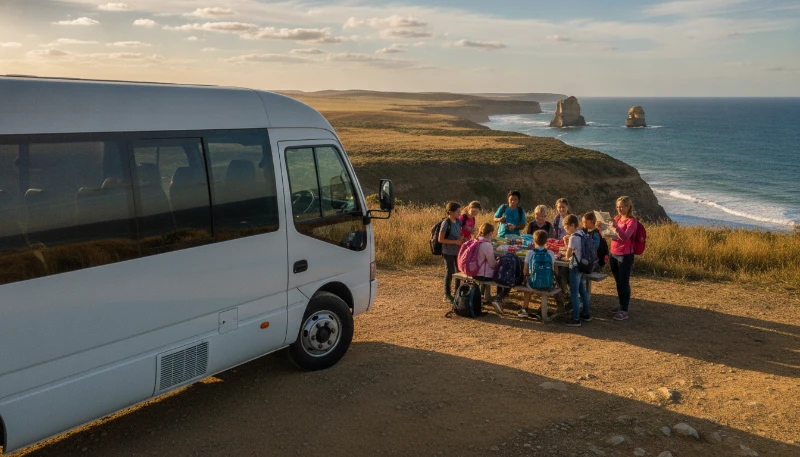
Australia’s vast and diverse landscape presents unique challenges and opportunities for road travel. Ensuring the safety and compliance of your self-drive excursion requires a thorough understanding of Australian road rules, especially when driving larger vehicles.
Key Australian Road Rules for Drivers of Larger Vehicles
- Speed Limits: Always adhere to posted speed limits. These can vary significantly between states and territories and also depend on the vehicle type and road conditions. Minibuses and vans may have different speed restrictions than standard passenger cars.
- Fatigue Management: Driver fatigue is a major cause of accidents. Plan for regular breaks (at least every two hours) and ensure drivers are well-rested before setting off. Never push a driver beyond their limits.
- Seatbelt Compliance: All passengers must wear seatbelts at all times. Ensure the vehicle you hire has functioning seatbelts for every seat.
- Mobile Phone Use: Hands-free use of mobile phones is permitted, but handheld use while driving is illegal across Australia.
- Overtaking: Exercise extreme caution when overtaking, especially on rural roads. Ensure you have ample visibility and space.
- Restricted Areas: Be aware of any restricted access areas for certain vehicle types, particularly in national parks or sensitive environmental zones.
Importance of Working With Children Checks (WWCC)
In Australia, most states and territories require individuals working or volunteering with children to hold a valid Working With Children Check (WWCC). This applies to any school staff member driving students on an excursion. Schools must have a robust system for verifying the validity and currency of all WWCCs for their drivers and supervisors. Failure to comply can result in significant penalties and reputational damage.
Emergency Preparedness
Every self-drive excursion should have a comprehensive emergency plan. This includes:
- Having emergency contact numbers readily available (local police, ambulance, roadside assistance, school administration).
- Ensuring all drivers know how to operate the vehicle’s safety features and what to do in case of a breakdown or accident.
- Carrying a well-stocked first-aid kit and basic tools.
- Having a communication plan in place, especially if travelling in areas with limited mobile reception.
- Familiarising yourself with the Australian Road Safety Foundation or similar government resources for up-to-date safety information.
Frequently Asked Questions About Self-Drive School Excursions
What types of vehicles are suitable for school excursions?
The most common vehicles for self-drive school excursions are minibuses (typically seating 10-15 passengers) and large vans (seating 7-9 passengers). The choice depends on the number of students and staff, luggage requirements, and the distance of the trip. Companies like Low Cost Self-Drive offer a range of options to suit various needs.
What are the driver requirements for self-drive hire vehicles in Australia?
Drivers must hold a valid Australian driver’s licence appropriate for the vehicle class. They must also typically have a Working With Children Check (WWCC) and be approved by the school’s policy. Experience driving larger vehicles is highly recommended.
How can schools ensure the safety of students on self-drive excursions?
Safety is paramount. This involves thorough vehicle checks, meticulous route planning, adherence to all road rules, driver fatigue management, ensuring all passengers wear seatbelts, and having a robust emergency plan. Regular communication between staff and supervisors is also crucial.
Are there any restrictions on where self-drive hire vehicles can go?
Generally, self-drive hire vehicles can be taken anywhere in Australia, provided the rental agreement permits it. However, some rental companies may have restrictions on taking vehicles on unsealed roads or to remote areas. Always check your rental agreement and inform the provider of your intended travel plans, especially for extended trips or travel into remote regions.
How does self-drive compare in cost to hiring a bus with a driver?
Self-drive hire is typically significantly cheaper than hiring a bus with a driver. The main cost saving comes from eliminating the driver’s wages, which can be a substantial portion of the total cost of a chartered bus service. While you pay for the rental and fuel, the overall expenditure is often much lower for self-drive options.
Conclusion: Embracing the Future of Budget-Conscious School Travel
For schools and parent associations across Australia striving to deliver enriching educational experiences without breaking the bank, the adoption of self drive hire vehicles presents a compelling solution. It offers a tangible pathway to significant cost savings, enhanced flexibility, and greater control over excursion logistics. By carefully planning, selecting appropriate vehicles, vetting drivers thoroughly, and prioritising safety, schools can confidently harness the power of self-drive rentals. Low Cost Self-Drive, with its extensive network and commitment to affordability, stands ready to support your school in making every excursion a success, proving that memorable learning adventures and budget management can indeed go hand in hand.
For wider public information, refer to Australian Government.